I have been teaching for almost ten years. During my early years as a teacher, I was given something many educators consider essential: a classroom. It was simple. I came in, I taught my lesson, and I left. The classroom was always there, waiting for me.
As the years passed, however, my students became more diverse, my schedule became more flexible, and my teaching style evolved. Eventually, I realized that having a dedicated classroom wasn’t always necessary. In fact, sometimes it was completely optional.
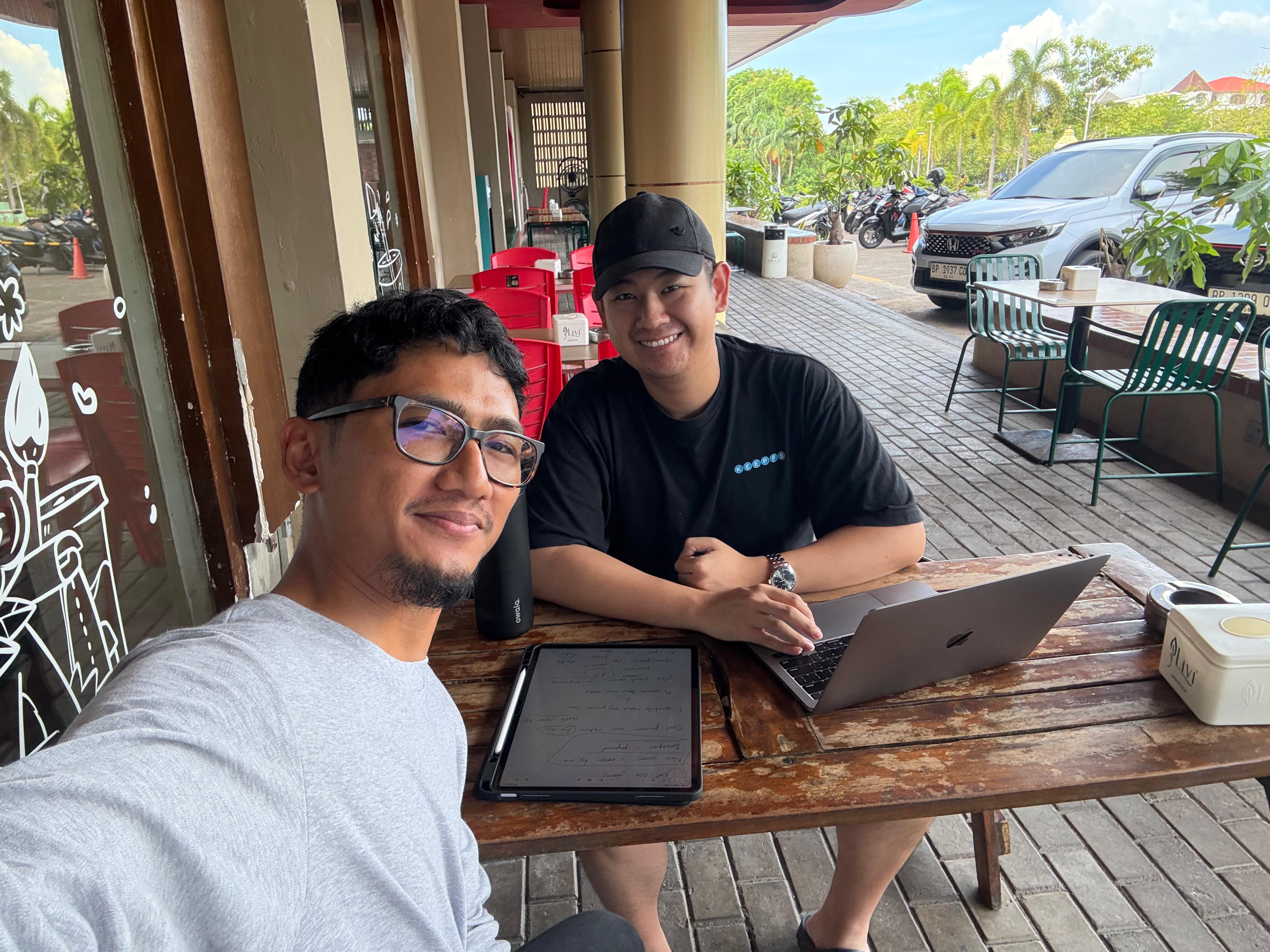
These days, I teach almost everywhere except in a traditional classroom. I teach online, outdoors, and most often at a table in a coffee shop. Why? Because it’s flexible. More importantly, maintaining a private classroom can be expensive, especially for independent tutors and small course providers.
Flexibility has become one of my core values as an educator. Perhaps I value it a little too much. Sometimes I even question whether teaching in public spaces is truly effective. Can meaningful learning happen amid the noise of espresso machines, conversations, and passing traffic?
The answer, surprisingly, is yes—but not without challenges.
Distractions are inevitable. Some are minor, while others are disruptive enough that my students and I have to pack our things and move to another table or even another café. I still remember my first few weeks of teaching this way. Choosing a location wasn’t simply about finding good coffee or comfortable chairs. I had to consider lighting, noise levels, internet stability, parking availability, and overall atmosphere. My goal was always the same: create an environment where learning could happen with as few distractions as possible.
I’m writing this because I want to share my experience of running an English course without a classroom. Perhaps there are teachers or tutors with exceptional teaching skills who simply don’t have access to a dedicated space. Or maybe there are freelancers and digital professionals who have learned to build their careers without ever having a traditional office.
Sometimes, we simply make do.
I’ve always loved the phrase make do. It means continuing with what you have instead of waiting for ideal circumstances. You don’t postpone your goals because the conditions aren’t perfect. You work with the resources available to you and keep moving forward.
Ironically, I wasn’t always like this.
I used to be someone with countless non-negotiable standards. I believed everything had to be just right before I could begin. Over time, though, experience taught me a different lesson: standards are ultimately measured by results, not by resources.
Of course, resources matter. Preparation matters. Better tools often produce better outcomes. But when you’re in the process of building something from nothing, you quickly learn how resourceful you can become. Instead of focusing on what you lack, you begin maximizing what you already have.
That’s where real creativity begins.
After encountering enough interruptions, I gradually developed ways to respond positively to whatever happened during class. Loud background music? Groups of people talking too loudly? Motorcycles passing by? Weak Wi-Fi? Limited parking? I’ve experienced all of them.
At some point, these stopped being problems and became situations to manage.
I call this mindset control.
The first step is awareness. Recognize what’s happening instead of pretending it isn’t there.
The second step is communication. I openly discuss the situation with my students so we both acknowledge that something is affecting our lesson. Simply recognizing the distraction often makes it less frustrating because we’re facing it together rather than silently tolerating it.
The final step is action. Once we understand the problem, we look for the simplest solution.
Teaching in public spaces also teaches humility. You have to remember that you don’t own the environment around you. You’re sharing it with everyone else. You’re not entitled to complete silence simply because you’re teaching, no matter how noble the profession may be.
If someone is speaking loudly nearby, I don’t ask them to lower their voices. Instead, we simply move to another table.
If traffic becomes noisy, we pause for a few seconds or move indoors.
If the café’s Wi-Fi slows to a crawl, we switch to a mobile hotspot.
None of these solutions are complicated, but they allow us to continue learning instead of wasting energy complaining about things beyond our control.
Looking back, I realize these experiences have influenced more than just my teaching.
In my personal life, I’ve started viewing discomfort and inconvenience as ordinary parts of being alive. Not everything will go according to plan, and not every environment will be ideal. The sooner we accept that reality, the better we become at adapting to it.
I’ve also learned that many problems become smaller once they’re communicated clearly. Panic and frustration often make situations seem worse than they really are. Calm discussion, followed by practical action, usually leads to a workable solution.
Perhaps that’s the biggest lesson teaching without a classroom has given me.
In the end, distractions are simply distractions. Sometimes they cost you time. Sometimes they cost you nothing at all. What truly defines the experience is not the interruption itself, but the way you choose to respond to it.
You may not always control your environment.
But you can always control your response.